Vitamin E Oil Tocopheryl Acetate
Vitamin E Oil is a lipid-soluble antioxidant ingredient commonly supplied as tocopherols or tocopheryl derivatives dispersed in an oil carrier. Cosmetic-grade Vitamin E Oil is typically derived from vegetable oils such as soy, sunflower, or rapeseed through distillation and purification processes that concentrate naturally occurring tocopherols. This production pathway does not involve ethoxylation, sulfation, or petrochemical modification, supporting its use in clean and modern cosmetic formulations.
From a formulation standpoint, Vitamin E Oil functions primarily as an antioxidant that helps protect oils and oil-containing formulations from oxidative degradation. By scavenging free radicals, it slows rancidity, supports ingredient stability, and helps maintain product quality over time. In addition to its stabilizing role, Vitamin E Oil provides secondary skin-conditioning benefits and integrates easily into oil phases, emulsions, and anhydrous systems. Its effectiveness is influenced by concentration, oil composition, and exposure to air, light, and heat.
In finished products, Vitamin E Oil supports both product longevity and sensory performance. At lower usage levels, it acts mainly as a formulation stabilizer with minimal impact on texture or feel, while higher levels contribute additional conditioning and a richer skin feel. It is widely used in lotions, creams, serums, facial oils, balms, body butters, hair care products, and lip products where oxidative stability and ingredient integrity are important.
From a clean standards and safety perspective, Vitamin E Oil has a long history of cosmetic use and broad acceptance across global regulatory frameworks. It is biodegradable, generally well tolerated, and suitable for both leave-on and rinse-off applications. Its plant-derived origin and multifunctional role support its inclusion in ingredient offerings carefully selected by Suncoast PCP for consistent cosmetic formulation performance.
Suncoast PCP carefully selects Vitamin E Oil based on antioxidant potency, stability, and formulation versatility, ensuring it performs reliably across a wide range of skincare and haircare applications while aligning with clean and modern formulation standards.
Ingredient Identification
INCI Name: Tocopherol (and/or) Tocopheryl Acetate (grade dependent)
CAS Numbers: 59-02-9 (Tocopherol), 7695-91-2 (Tocopheryl Acetate)
Physical & Technical Properties
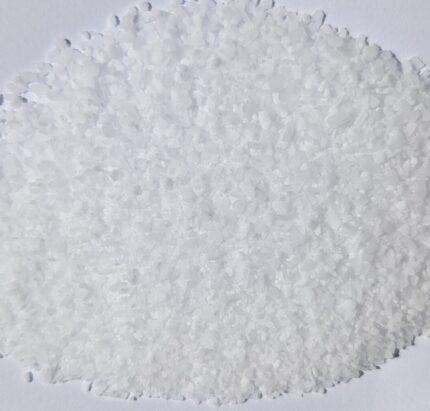
Appearance: Clear to amber viscous liquid
Odor: Mild, characteristic
Solubility: Oil soluble; insoluble in water
Viscosity: Medium to high
Functional Role: Antioxidant, skin-conditioning agent
Typical Usage Levels (Skincare & Haircare)
Lotions and Creams: 0.1–1.0%
Facial Oils and Serums: 0.2–2.0%
Balms and Body Butters: 0.1–1.0%
Hair Care Products: 0.1–0.5%
Lip Products: 0.2–1.0%
Actual usage levels depend on desired antioxidant protection, oil phase composition, and sensory considerations.
DIY Education and Formulation Guidance
For DIY formulators, Vitamin E Oil is typically added during the cool-down phase to minimize thermal degradation. Accurate weighing is recommended, as relatively small amounts provide meaningful antioxidant benefit. Vitamin E Oil is not a preservative and does not replace the need for a broad-spectrum preservation system in water-containing formulations.
Vitamin E Oil is often combined with other antioxidants or chelators to enhance oxidative protection, particularly in formulations containing polyunsaturated or oxidation-prone oils.
Formulation Compatibility & Common Combinations
Vitamin E Oil is compatible with vegetable oils, esters, butters, waxes, emulsifiers, and surfactant systems. It pairs especially well with oils such as sunflower, hemp, or rosehip oil and may be used alongside chelating agents to support overall formulation stability.
Shelf Life, Storage, and Packaging
Shelf Life: Typically 18–24 months depending on grade and carrier oil
Storage Conditions: Store in a cool, dry environment away from light and heat
Packaging Recommendations: Amber glass bottles, aluminum containers, or opaque HDPE packaging
Handling Notes: Minimize prolonged air exposure to reduce oxidation
Regulatory & Safety Notes
Regulatory Status: Approved for cosmetic use globally, including the United States and European Union
California Proposition 65: Not listed
EWG Context: Generally categorized as low hazard based on available data
Irritation and Sensitization: Generally well tolerated for topical cosmetic use
Clean Beauty Compatibility: Plant-derived, biodegradable, and compatible with clean, natural-leaning, and transparency-focused formulation standards






Reviews
There are no reviews yet.