Lavender Oil
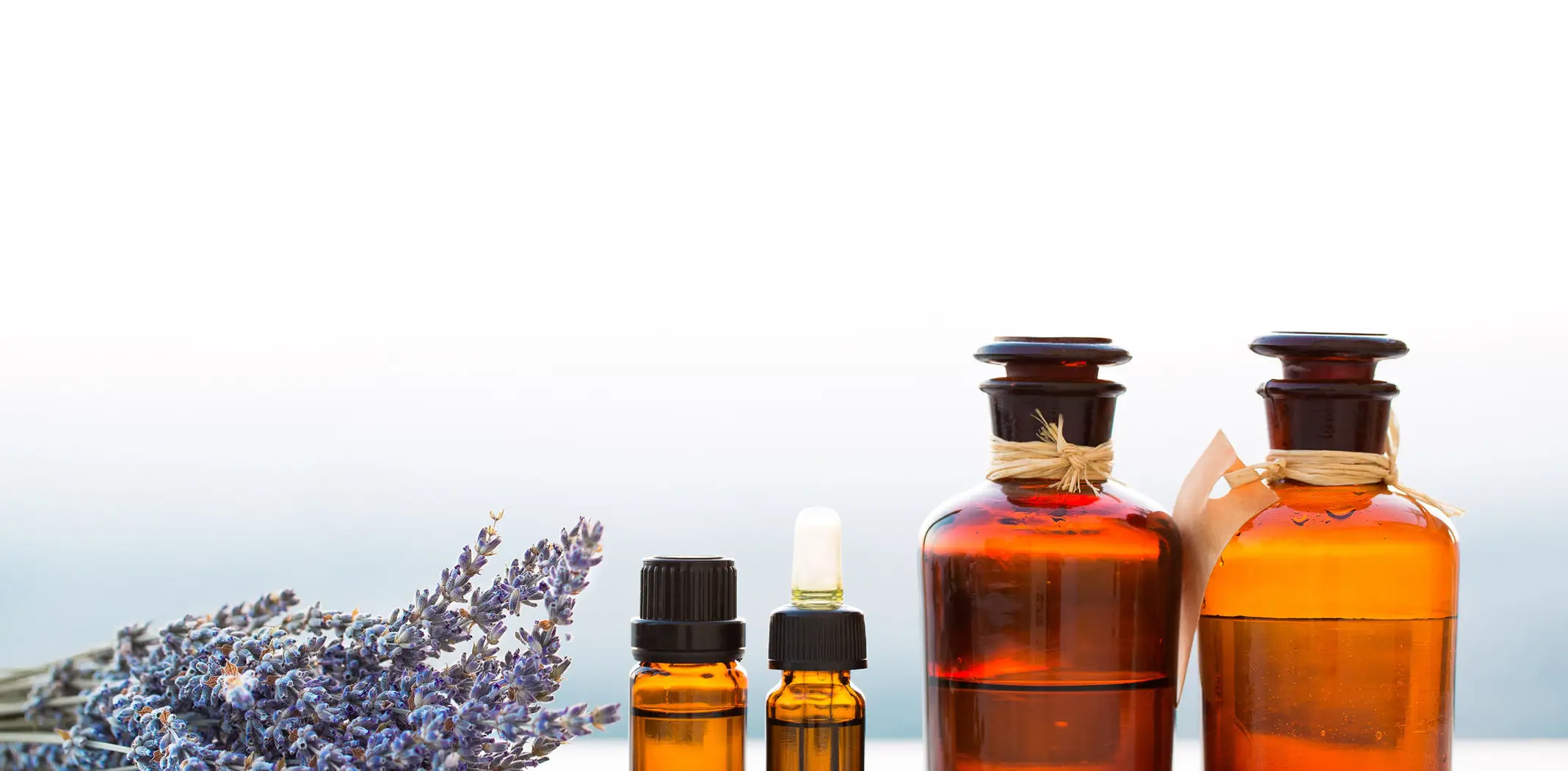
Lavender Oil is a volatile essential oil obtained from the flowering tops of the lavender plant, most commonly Lavandula angustifolia. Cosmetic-grade Lavender Oil is produced through steam distillation, a physical extraction method that captures the oil’s naturally occurring aromatic compounds without chemical modification. The oil is characterized by a balanced composition of linalool and linalyl acetate, which define its floral aroma and functional behavior. This production process does not involve ethoxylation, sulfation, or petrochemical modification, supporting its use in clean and traditionally derived cosmetic formulations.
From a formulation standpoint, Lavender Oil functions primarily as a fragrance ingredient and sensory modifier. It is typically used at low concentrations due to its aromatic strength and active constituents. In cosmetic formulations, Lavender Oil is incorporated into the oil phase or properly solubilized for aqueous systems. Its performance is influenced by concentration, solubilization method, overall fragrance load, and product format, particularly in leave-on applications.
In finished products, Lavender Oil provides a soft, floral, and herbaceous scent profile commonly associated with calming, spa-inspired, and comfort-focused formulations. At low usage levels, it adds gentle aromatic character and fragrance balance, while higher levels create a more pronounced sensory experience. It is widely used in creams, lotions, body oils, serums, cleansers, soaps, bath products, massage formulations, and aromatherapy-inspired skincare and haircare products. Conservative usage is recommended to maintain skin comfort and formulation balance.
From a clean standards and safety perspective, Lavender Oil has a long history of cosmetic and topical use and is widely accepted across global regulatory frameworks when used within established cosmetic limits. It is biodegradable and plant-derived, but like all essential oils, it may cause irritation or sensitization if overused. Responsible formulation practices, including adherence to fragrance guidelines and appropriate dilution, are essential. Its aromatic profile and versatility support inclusion in ingredient offerings carefully selected by Suncoast Personal Care Products, Inc for controlled cosmetic formulation use.
Suncoast Personal Care Products, Inc carefully selects Lavender Oil based on aromatic quality, purity, and consistency, ensuring reliable performance across fragrance-forward and multifunctional cosmetic applications while aligning with clean and modern formulation standards.
Ingredient Identification
INCI Name: Lavandula Angustifolia (Lavender) Oil
CAS Number: 8000-28-0
Physical & Technical Properties
Appearance: Clear to pale yellow liquid
Odor: Floral, fresh, herbaceous, characteristic
Solubility: Insoluble in water; soluble in oils and organic solvents
Volatility: Moderate
Functional Role: Fragrance ingredient, sensory modifier
Typical Usage Levels (Cosmetic Applications)
Leave-On Products: 0.01–0.5%
Rinse-Off Products: 0.05–1.0%
Massage and Body Oils: 0.1–1.0%
Fragrance Blends: Usage dependent on overall composition
Actual usage levels should align with fragrance guidelines, product type, and skin tolerance considerations.
DIY Education and Formulation Guidance
For DIY formulators, Lavender Oil should be added during the cool-down phase to minimize volatilization and preserve aromatic integrity. Accurate weighing and conservative dosing are recommended, especially in leave-on products. In water-based systems, proper solubilization is required to ensure uniform dispersion and product clarity.
Patch testing is advised when formulating products intended for sensitive skin.
Formulation Compatibility & Common Combinations
Lavender Oil is compatible with carrier oils, butters, waxes, surfactants, emulsifiers, and fragrance systems. It blends well with essential oils such as chamomile, bergamot, geranium, rosemary, and citrus oils to create balanced aromatic profiles. In emulsions, it is typically incorporated into the oil phase or pre-blended fragrance component.
Shelf Life, Storage, and Packaging
Shelf Life: Typically 24–36 months under recommended storage conditions
Storage Conditions: Store in a cool, dark environment away from heat and light
Packaging Recommendations: Amber glass bottles or aluminum containers with tight closures
Handling Notes: Minimize air exposure to reduce oxidation and aroma degradation
Regulatory & Safety Notes
Regulatory Status: Approved for cosmetic use globally when used in accordance with applicable fragrance guidelines
California Proposition 65: Not listed
EWG Context: Generally categorized as low to moderate hazard depending on concentration
Irritation and Sensitization: May cause irritation or sensitization if overused; appropriate dilution required
Clean Beauty Compatibility: Plant-derived and biodegradable; suitable for clean and natural-leaning formulations when responsibly formulated









Reviews
There are no reviews yet.