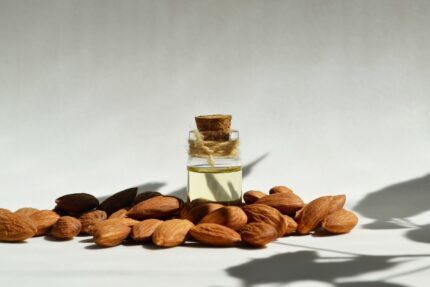
Emollient Oils

Emollient oils are widely used in cosmetic products to soften, smooth, and condition the skin and hair. They help support the skin’s natural barrier, reduce moisture loss, and improve overall comfort and appearance.
In formulations, emollient oils enhance spreadability, slip, and sensory feel, contribute to product richness or lightness depending on the oil selected, and help dissolve oil-soluble ingredients. Typical use levels range from 1–5% in lotions, creams, and serums, and 5–20% in balms, body oils, and intensive treatments. Emollient oils are valued in cosmetics for both their functional performance and clean, plant-based appeal.

Almond Oil

Price range: $3.41 through $6.83

Almond Oil

Almond Oil is a plant-derived oil pressed from sweet almond kernels and widely used in cosmetics and skincare for its mild, conditioning properties. It helps soften and smooth the skin while improving spreadability in lotions, creams, body oils, serums, and hair care products. Almond Oil is carefully selected by Suncoast PCP for its versatility, skin compatibility, and alignment with clean and modern formulation standards.

Select options This product has multiple variants. The options may be chosen on the product page

Extra Virgin Coconut Oil (Organic)

Price range: $6.35 through $12.70

Description Summary — Extra Virgin Coconut Oil

Extra Virgin Coconut Oil is a minimally processed, plant-derived oil known for its rich, nourishing properties and natural coconut aroma. It is commonly used in cosmetics and skincare to add structure, softness, and moisture in creams, lotions, balms, body butters, soaps, and hair care products. Extra Virgin Coconut Oil is carefully selected by Suncoast PCP for its purity, consistency, and alignment with clean and modern formulation standards.

Select options This product has multiple variants. The options may be chosen on the product page

Sesame Oil

Price range: $3.53 through $7.06

Sesame Oil

Sesame Oil is a plant-derived oil pressed from sesame seeds and used in cosmetics and skincare for its smooth, nourishing properties. It helps condition and soften the skin while providing good slip in creams, lotions, body oils, massage products, and hair care formulations. Sesame Oil is carefully selected by Suncoast PCP for its versatility, skin compatibility, and alignment with clean and modern formulation standards.

Select options This product has multiple variants. The options may be chosen on the product page

Soybean Oil

Price range: $2.99 through $5.99

Soybean Oil

Soybean Oil is a plant-derived oil pressed from soybeans and commonly used in cosmetics and personal care products for its conditioning and emollient properties. It helps soften the skin, improve spreadability, and add body to creams, lotions, balms, soaps, and hair care formulations. Soybean Oil is carefully selected by Suncoast PCP for its versatility, formulation compatibility, and alignment with clean and modern formulation standards.

Select options This product has multiple variants. The options may be chosen on the product page

Emollient Oils – Technical & Clean Standards Overview

Emollient oils are lipid-based cosmetic ingredients used to soften, smooth, and condition the skin and hair. They help improve skin feel by filling in the surface of the skin, supporting barrier function, and reducing moisture loss. Emollient oils form a key part of the oil phase in cosmetic formulations and strongly influence texture and sensory performance.


Technical Properties

  • INCI Names: Vary by oil (e.g., Simmondsia Chinensis Seed Oil, Helianthus Annuus Seed Oil, Caprylic/Capric Triglyceride)

  • Physical Form: Liquid or semi-solid oils

  • Solubility: Oil-soluble; insoluble in water

  • Function: Emolliency, conditioning, and sensory modification

Emollient oils may be naturally occurring plant oils or cosmetically refined esters selected for stability and consistency.


Functional Role in Cosmetics

Emollient oils are used to:

  • Condition and soften skin and hair

  • Support the skin barrier and reduce transepidermal water loss

  • Improve spreadability and slip

  • Shape product texture, from lightweight to rich

  • Carry oil-soluble actives, fragrances, and antioxidants

They are essential in lotions, creams, serums, balms, body oils, conditioners, and masks.


Typical Use Levels

Use levels vary by product type and desired sensory outcome:

  • 1–5% in lightweight lotions and serums

  • 5–15% in standard creams and conditioners

  • 15–30%+ in balms, body butters, and intensive treatments

Blending multiple emollient oils is common to balance absorption, stability, and skin feel.


Clean Standards & Safety Profile

  • Cosmetic Ingredient Review (CIR): Most cosmetic emollient oils are reviewed and considered safe as used

  • Environmental Working Group (EWG): Many plant-derived oils rate Low Hazard (Score 1–2)

  • GRAS Status: Some oils are GRAS for food use; GRAS does not apply to cosmetic safety

  • Skin Compatibility: Generally well tolerated; refinement level and fatty acid profile influence suitability


Retailer Clean Compatibility

Emollient oils are widely accepted under major retailer clean standards because they:

  • Are often plant-derived, renewable, and biodegradable

  • Have a long history of cosmetic use

  • Serve a clear functional necessity

  • Support silicone-free and clean-label formulations

  • Are available in organic, non-GMO, and sustainably sourced options