Soybean Oil
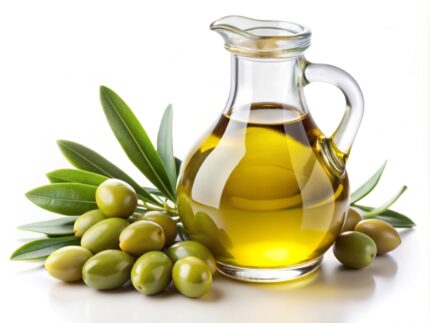
Soybean Oil is a plant-derived vegetable oil obtained from the seeds of the soybean plant, Glycine max. Cosmetic-grade Soybean Oil is typically produced through mechanical pressing or solvent-free extraction, followed by refining steps such as degumming, bleaching, and deodorization to improve clarity, odor, and oxidative stability while preserving its functional lipid profile. The production process does not involve ethoxylation, sulfation, or petrochemical modification, supporting its use in clean and modern cosmetic formulations.
From a formulation standpoint, Soybean Oil functions primarily as an emollient and conditioning oil with a balanced fatty acid composition that includes linoleic and oleic acids. This profile allows it to soften and smooth the skin while contributing to formulation body and stability. Soybean Oil integrates well into both emulsions and anhydrous systems, supporting spreadability and consistent texture across a wide range of product types. Its performance is influenced by refinement level, antioxidant content, and overall oil-phase design.
In finished products, Soybean Oil delivers a smooth, nourishing skin feel with moderate richness. At lower usage levels, it enhances emolliency and glide without excessive heaviness, while higher concentrations contribute to deeper conditioning and improved barrier support. It is commonly used in creams, lotions, body oils, balms, soaps, cleansing bars, hair conditioners, masks, and scalp treatments where versatility and cost-effective performance are important considerations.
From a clean standards and safety perspective, Soybean Oil has a long history of cosmetic use and broad acceptance across global regulatory frameworks. It is biodegradable and generally well tolerated for topical applications. Clean positioning is supported by its plant-derived origin and wide availability, though sourcing transparency and refinement practices may influence formulation positioning. Its functional reliability supports inclusion in ingredient offerings carefully selected by Suncoast PCP for dependable cosmetic formulation performance.
Suncoast PCP carefully selects Soybean Oil based on quality, consistency, and formulation versatility, ensuring reliable performance across a wide range of skincare and haircare applications while aligning with clean and modern formulation standards.
Ingredient Identification
INCI Name: Glycine Soja (Soybean) Oil
CAS Number: 8001-22-7
Physical & Technical Properties
Appearance: Clear to pale yellow liquid
Odor: Mild, characteristic
Melting Point: Liquid at room temperature
Solubility: Insoluble in water; soluble in oils and oil phases
Viscosity: Low to medium
Functional Role: Emollient, conditioning oil, sensory modifier
Typical Usage Levels (Skincare & Haircare)
Lotions and Creams: 2–15%
Body Oils and Balms: 5–25%
Facial Oils and Serums: 5–100%
Soaps and Cleansing Bars: 10–40%
Hair Care Products: 1–10%
Actual usage levels vary depending on desired richness, sensory profile, and formulation design.
DIY Education and Formulation Guidance
For DIY formulators, Soybean Oil is easy to use and performs well in both emulsified and anhydrous formulations. It is typically added to the oil phase and can tolerate moderate heat during emulsification. Because Soybean Oil contains a higher proportion of polyunsaturated fatty acids, the inclusion of antioxidants such as tocopherols is recommended to support oxidative stability and extend shelf life.
Soybean Oil is often selected as a base oil in formulations where neutrality, affordability, and compatibility are key considerations.
Formulation Compatibility & Common Combinations
Soybean Oil is compatible with a wide range of vegetable oils, butters, waxes, emulsifiers, and surfactant systems. It is commonly blended with more stable oils such as jojoba or sunflower oil to balance oxidative stability, or paired with butters and waxes to enhance structure and richness. In haircare formulations, it works well alongside conditioning agents and botanical extracts.
Shelf Life, Storage, and Packaging
Shelf Life: Typically 12–24 months depending on refinement and antioxidant system
Storage Conditions: Store in a cool, dry environment away from direct light and heat
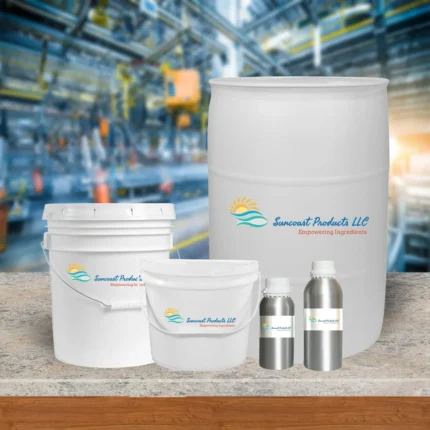
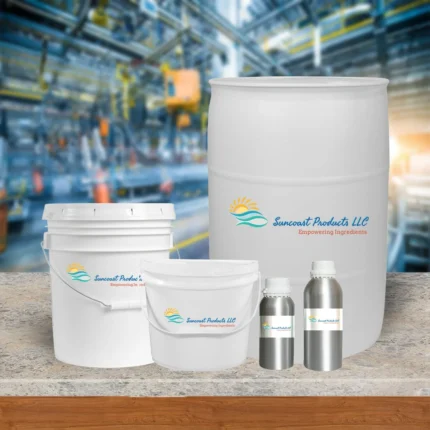
Packaging Recommendations: Amber glass bottles, aluminum containers, or opaque HDPE packaging
Handling Notes: Minimize prolonged air exposure to reduce oxidation
Regulatory & Safety Notes
Regulatory Status: Approved for cosmetic use globally, including the United States and European Union
California Proposition 65: Not listed
EWG Context: Generally categorized as low hazard based on available data
Irritation and Sensitization: Generally well tolerated for topical cosmetic use
Clean Beauty Compatibility: Plant-derived, biodegradable, and compatible with clean, natural-leaning, and transparency-focused formulation standards






Reviews
There are no reviews yet.