Sunflower Oil — Technical & Clean Standards Overview
Sunflower Oil is a plant-derived vegetable oil obtained from the seeds of the sunflower plant, Helianthus annuus. Cosmetic-grade Sunflower Oil is produced through mechanical pressing followed by refining steps that improve clarity, odor, and oxidative stability while preserving functional lipid properties. This straightforward production process supports consistent formulation performance and aligns with clean and modern cosmetic ingredient standards.
From a formulation standpoint, Sunflower Oil functions primarily as an emollient and conditioning oil. Its lightweight sensory profile and favorable fatty acid composition allow it to soften and smooth the skin while supporting barrier comfort without excessive heaviness. It integrates easily into emulsions and anhydrous systems, contributing to improved spreadability, balanced absorption, and formulation flexibility across a wide range of product types.
In finished products, Sunflower Oil delivers a smooth, non-greasy skin feel and contributes to overall product elegance. At lower usage levels, it enhances slip and skin comfort, while higher levels provide richer conditioning and nourishment. It is commonly used in lotions, creams, body oils, facial oils, serums, cleansers, and hair care products where performance, stability, and broad skin compatibility are desired.
From a clean standards and safety perspective, Sunflower Oil has a long history of cosmetic use and broad global regulatory acceptance. It is biodegradable, generally well tolerated, and suitable for both leave-on and rinse-off applications. Its plant-derived origin, minimal processing, and transparent sourcing profile make it a dependable option within ingredient selections curated and supported by Suncoast PCP for modern cosmetic formulation needs.
Ingredient Identification
INCI Name: Helianthus Annuus (Sunflower) Seed Oil
CAS Number: 8001-21-6
Physical & Technical Properties
Appearance: Clear to pale yellow liquid
Odor: Mild, characteristic
Melting Point: Liquid at room temperature
Solubility: Insoluble in water; soluble in oils and oil phases
Viscosity: Low to medium
Functional Role: Emollient, conditioning oil, sensory modifier
Typical Usage Levels (Skincare & Haircare)
Facial Serums and Oils: 5–100%
Lotions and Creams: 2–15%
Body Oils and Butters: 5–25%
Cleansers and Emulsified Products: 1–10%
Hair Care Products: 1–10%
Actual usage levels vary depending on desired sensory profile, oil-phase composition, and formulation design.
DIY Education and Formulation Guidance
For DIY formulators, Sunflower Oil is easy to work with and suitable for both emulsified and anhydrous systems. It is typically added to the oil phase and heated only as required by the emulsifier system. In formulations where heat exposure is minimized, it may be incorporated during cool-down to preserve its lightweight sensory qualities.
Including antioxidants such as tocopherols is recommended to support oxidative stability, particularly in products exposed to air, heat, or light.
Formulation Compatibility & Common Combinations
Sunflower Oil is compatible with a wide range of vegetable oils, esters, butters, waxes, emulsifiers, and surfactant systems. It is often blended with richer oils or butters to enhance nourishment or combined with lighter esters to further refine skin feel. High-oleic grades may be selected to improve oxidative stability in more demanding formulations.
Shelf Life, Storage, and Packaging
Shelf Life: Typically 12–24 months depending on grade and antioxidant system
Storage Conditions: Store in a cool, dry environment away from direct light and heat
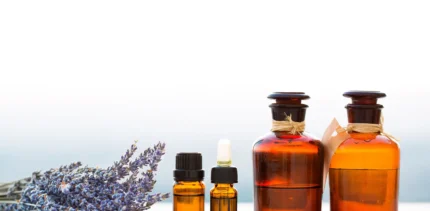
Packaging Recommendations: Amber glass, aluminum containers, or opaque HDPE packaging
Handling Notes: Minimize prolonged air exposure to reduce oxidation
Regulatory & Safety Notes
Regulatory Status: Approved for cosmetic use globally, including the United States and European Union
California Proposition 65: Not listed
EWG Context: Generally categorized as low hazard based on available data
Irritation and Sensitization: Generally well tolerated for topical cosmetic use
Clean Beauty Compatibility: Plant-derived, biodegradable, and compatible with clean, natural-leaning, and transparency-focused formulation standards




Reviews
There are no reviews yet.