
Customizable Skincare Kits That Fit Your Routine

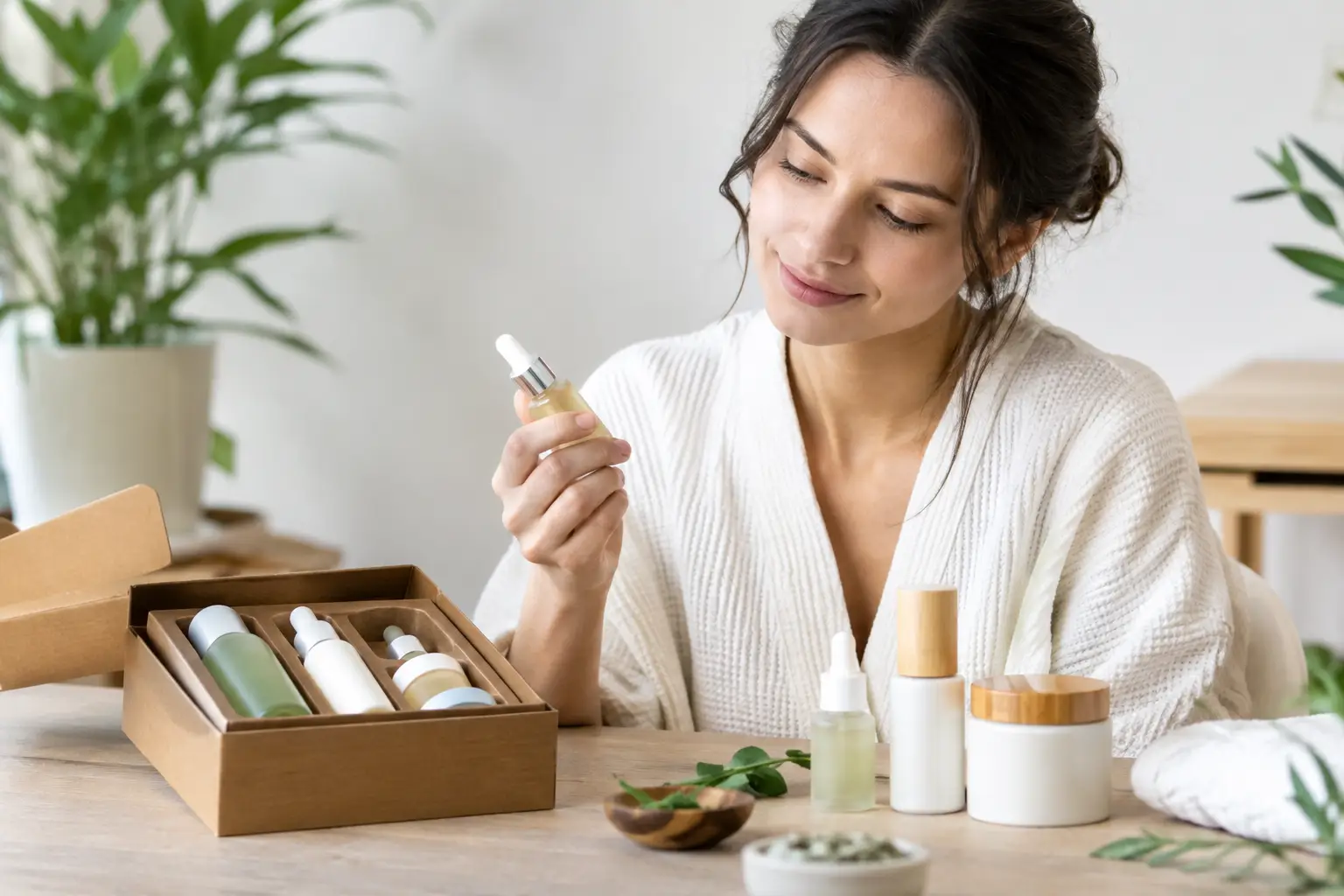
A skincare kit should not leave you with a generic product and a drawer full of unused extras. The best customizable skincare kits give you a clear starting formula, then let you choose the oils, active ingredients, fragrance, and finish that make sense for your skin and your routine. You are not just unpacking a box. You are making something personal.
For a beginner, that may mean a simple, rich hand cream with a favorite botanical extract. For an experienced maker or small brand, it may mean testing two versions of a lightweight facial lotion, each with a different emollient blend. Both approaches begin with the same practical question: what do you want the finished product to do?
Start With the Product, Not the Ingredient List
It is tempting to choose ingredients because they sound exciting. A new oil, a bright fragrance, or a vitamin active can inspire a project, but a reliable formula starts with product type and use. A balm for dry elbows has different structural needs than a facial serum. A creamy scrub needs a different preservation plan than an anhydrous body butter.
Think through the product’s job before building your kit. Is it meant to soften dry hands, offer a light layer of moisture under makeup, cleanse oily skin, or provide a rich nighttime feel? Then consider where it will be used, how often, and what texture you enjoy. These choices narrow the field and help prevent a formula from becoming unnecessarily complicated.
A simple kit can be built around one of three paths. An oil-based product such as a balm or body oil contains no water and relies on oils, butters, waxes, and antioxidants. A water-based product such as a toner or gel serum needs careful ingredient compatibility and preservation. An emulsion, such as lotion or cream, combines water and oil with an emulsifier and requires thoughtful processing, preservation, and stability testing.
What Belongs in Customizable Skincare Kits
A useful kit includes more than attractive ingredients. It gives you the materials required to make a finished product, plus enough flexibility to create a version that feels like yours. That may include a dependable base formula, selected oils or butters, one or two actives, a preservative when the formula contains water, packaging, and the basic tools needed to weigh and mix accurately.
For lotions and creams, an emulsifier is the working bridge between your water phase and oil phase. CEB-N is an emulsifier, not a true wax, and it is designed to help makers create stable emulsions with a polished skin feel. The oils and butters you pair with it will influence richness, spread, absorption, and the final appearance of the cream.
A kit can also include a ready-to-use emulsion base for makers who want to focus on customization rather than build an emulsion from the ground up. This is a smart choice when you want to test a botanical extract, select a fragrance, or create several scent variations while keeping the base texture consistent. It is also useful for parties and supervised group projects where a long heat-and-hold process is not practical.
The point is not to add every possible ingredient. A focused kit is easier to understand, easier to repeat, and far more useful when you want to adjust one variable at a time.
Choose ingredients by function
Every ingredient should have a job. Emollient oils contribute slip and softness. Butters can add cushion and richness. Humectants help support hydration in water-based formulas. Botanical extracts and vitamin ingredients may support the formula’s intended skin feel or care story. Thickeners build body, while antioxidants can help protect vulnerable oils from oxidation.
Fragrance is a preference, not a requirement. An unscented lotion can be the better choice for sensitive preferences, family use, or a product meant for the face. If you do add fragrance or essential oil, keep the level appropriate for the formula and intended area of use. A product that smells beautiful should still feel comfortable on the skin.
A Practical Build Process
Before you start stirring, organize your work area. Clean your equipment, use a scale that measures in small increments, label your containers, and write down every percentage and every substitution. A formula you cannot reproduce is only a one-time experiment.
For a first customizable kit, follow this process:
- Pick one product and one goal. Make a light body lotion for everyday moisture, a solid balm for dry spots, or a simple facial oil. Avoid trying to solve every skin concern in one batch.
- Select a base structure. Choose an anhydrous formula, a water-based formula, an emulsion base, or a from-scratch emulsion. Match the structure to your comfort level and available equipment.
- Customize only a few elements. Change the oil blend, add one compatible active, or choose a fragrance. When too many variables change at once, you cannot tell what improved or harmed the result.
- Make a small test batch. Small batches save ingredients and make adjustment easier. Record texture, scent, viscosity, and how the product feels after application.
- Evaluate before scaling. Give an emulsion time to settle and watch for separation, thinning, graininess, or a change in scent. A formula that looks good on mixing day still needs to prove its stability.
This method gives beginners structure without taking away creativity. It also gives experienced formulators a clean way to compare materials and make informed revisions.
Preservation Is Part of Personalization
If your product contains water, hydrosols, aloe liquid, or other water-based ingredients, preservation is not optional. Water creates an environment where microbes can grow, even when a product looks and smells normal. Natural and responsibly sourced ingredients still need a preservation strategy when they are used in a water-containing formula.
Choose a preservative that works with your formula’s pH, ingredient system, and process temperature. Follow the supplier’s recommended use rate and processing instructions. Use clean, dry tools and packaging, and avoid dipping fingers into jars when possible. Pumps and treatment pumps can help reduce repeated contact with the product.
Oil-only balms and body oils do not require a broad-spectrum preservative because they contain no water, but they benefit from good manufacturing habits and may benefit from an antioxidant to help slow oil oxidation. Do not assume that an antioxidant is a preservative. They perform different jobs.
If you are formulating for sale, formal stability and microbial testing are part of responsible product development. A beautiful small-batch prototype is a starting point, not proof that the formula is ready for broad distribution.
The Trade-Off Between Simple and Fully Custom
More customization can be rewarding, but it also adds decisions. A from-scratch cream lets you control the oil phase, emulsifier system, viscosity, active ingredients, and sensory profile. It requires heating, accurate weighing, preservation, and patience while you monitor stability.
A pre-assembled kit or ready-to-use base offers less control but more speed and consistency. That is not cutting corners. It is often the right choice for a first project, a weekend activity, or a maker who wants to create personalized gifts without investing in a full formulation bench.
Suncoast Personal Care Products, Inc Personal Care Products helps make this choice less intimidating by pairing professional-quality ingredients with formulas, calculators, videos, and practical guidance. Start at the level that makes you comfortable, then build your skills one formula at a time.
When to customize less
Keep a formula simple when you are working with a new emulsifier, testing a new active, making products for children under adult supervision, or preparing a larger batch for the first time. This is especially true with heat-sensitive ingredients, strong fragrances, and materials with specific pH needs.
Simple formulas reveal more. You can feel the difference a lighter emollient makes. You can see how a thickener changes viscosity. You can learn whether a fragrance complements the base or overwhelms it. Those observations are the foundation of confident formulation.
Make the Kit Yours, Then Make It Again
The most satisfying skincare projects are not necessarily the most elaborate. They are the ones you understand well enough to remake, refine, and share. Keep a formulation notebook with batch dates, percentages, processing temperatures, packaging notes, and honest feedback after a week or two of use.
Your first lotion may be a little too rich. Your first balm may be softer than you expected on a warm day. That is useful information, not failure. Adjust one element, make another small batch, and watch your custom kit become a formula that is truly yours.