
Skincare Formulation Tools for Better Batches

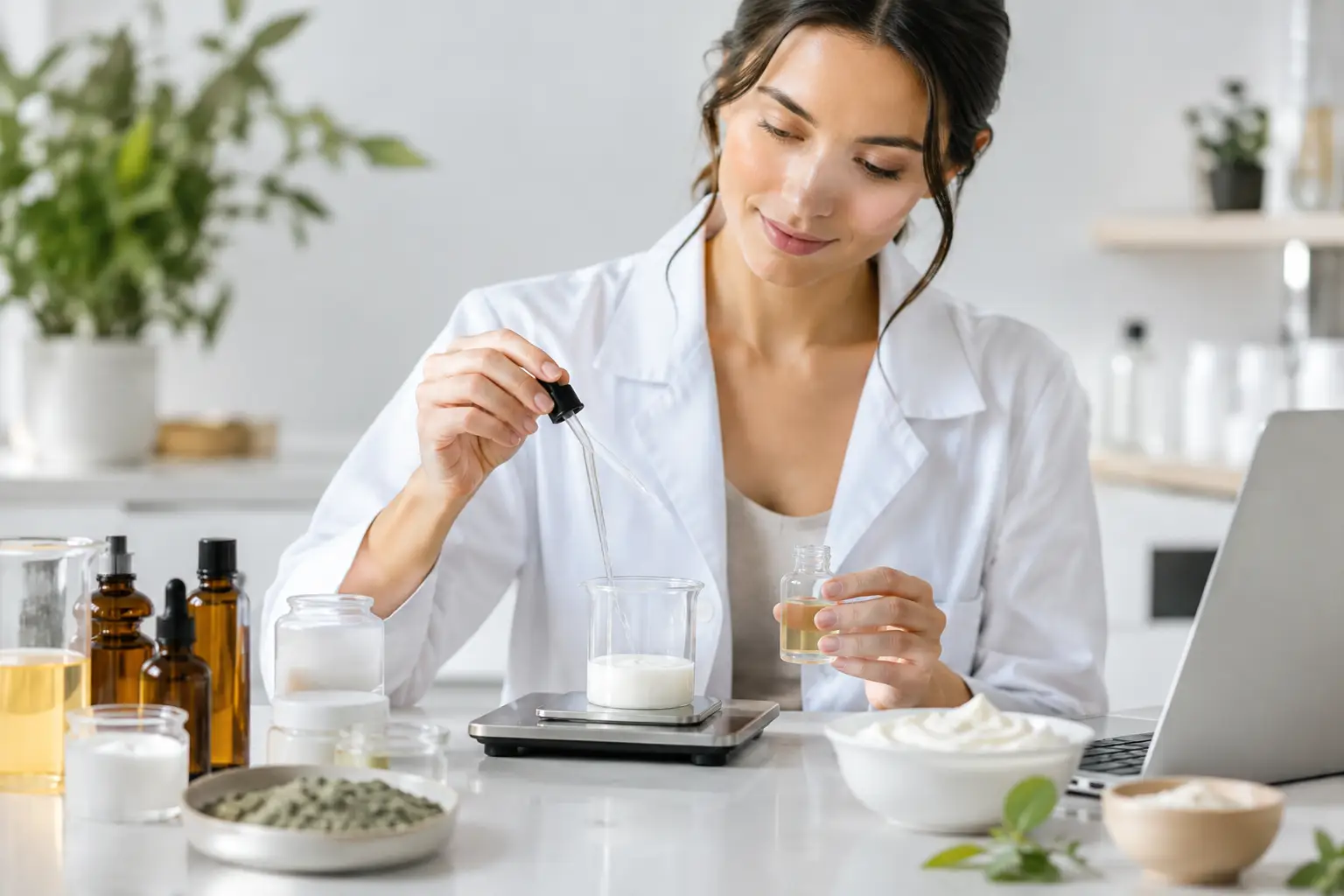
A lotion can look beautiful in the bowl and still separate a week later. A facial serum can feel perfect but become unsafe if it is made or packaged without clean, accurate processes. That is why skincare formulation tools matter: they turn a creative idea into a repeatable product with better texture, stability, and performance.
You do not need to build a commercial laboratory to make thoughtful personal-care products at home. You do need a practical setup that helps you measure accurately, control heat, mix thoroughly, and fill containers cleanly. Start with the tools that match the products you want to make, then add specialty equipment as your batches and confidence grow.
Start With Accurate Skincare Formulation Tools
The most valuable tool in any formulator’s workspace is a digital scale that reads in grams. Cosmetic formulas are built in percentages, and grams make those percentages easy to follow whether you are preparing a 100-gram test batch or a larger run for your handmade business. Measuring oils, emulsifiers, preservatives, and active ingredients by spoons can introduce enough variation to change a product’s feel or stability.
Choose a scale with at least 0.1-gram precision for everyday lotion, balm, scrub, and cleanser projects. If you plan to work with very small amounts of colorants, potent actives, or fragrance materials, a second scale that reads to 0.01 gram is helpful. Keep the scale on a level surface, use a weighing boat or small cup for tiny ingredients, and tare the container before every addition.
A formulation notebook is just as useful as a scale. Write down the formula percentages, ingredient lot details if available, process temperatures, mixing times, observations, and the date you made the batch. When you create a cream everyone loves, those notes let you make it again. When a formula is too thin, too waxy, or starts separating, your notes tell you where to investigate.
Heat, Hold, and Mix With Purpose
Water-based products such as lotions and creams require more than stirring ingredients together. Their heated water phase and oil phase need to reach appropriate temperatures for melting, emulsification, and process consistency. A heat-safe glass beaker or stainless steel pitcher gives you a dedicated vessel for each phase, while a double boiler or water bath provides gentle, even heat.
Avoid placing a glass vessel directly on a burner unless it is specifically designed for that use. A water bath is easier to control and lowers the chance of scorching delicate ingredients. Use heat-resistant gloves or a towel when handling hot containers, especially when working with children or hosting a supervised skincare-making activity.
A thermometer helps you know rather than guess. For many emulsions, both phases are heated and held at a similar temperature before combining, but the exact process depends on your emulsifier and formula. CEB-N, for example, is an emulsifier and not a true wax, so it should be treated as a functional part of the emulsion system rather than added simply to make a product thicker.
Mixing tools affect the finished texture. A small silicone spatula is ideal for scraping beakers and gently blending balms, masks, and scrubs. For lotions and creams, an immersion blender, mini mixer, or overhead-style mixer can provide the shear needed to create a finer, more stable emulsion. More mixing power is not always better, though. Excessive blending can whip air into a cooled cream, making it look fluffy while increasing the chance of trapped bubbles and untidy filling.
A Simple Tool Setup for Most Makers
For a wide range of starter projects, these are the tools worth having on hand:
- A digital gram scale, plus small weighing cups or boats
- Heat-safe beakers or stainless steel pitchers for water and oil phases
- A thermometer, double boiler or water bath, and heat-resistant gloves
- Silicone spatulas, pipettes, and transfer tools for small additions
- A mini mixer or immersion blender suited to your batch size
- Clean jars, bottles, pumps, or tubes for final packaging
This setup can carry you through anhydrous balms and body butters, exfoliating scrubs, simple oil serums, and your first emulsified cream. The best choice depends on batch size. A tiny mixer may struggle with a large pitcher of lotion, while a large immersion blender may not reach a 50-gram test batch effectively.
Clean Tools Support Safer Products
Clean equipment is not optional, particularly when a formula contains water, hydrosols, aloe, or botanical extracts. Wash tools and work surfaces thoroughly, rinse them well, and allow them to dry completely before you begin. Clean containers, lids, and pumps before filling too.
Cleaning is only one part of preservation. A broad-spectrum preservative used at the correct rate is generally necessary for water-containing products. Essential oils, vitamin E, and antioxidants can be useful formula components, but they are not reliable broad-spectrum preservative systems. Vitamin E, for instance, is often used to help slow oxidation in oils, not to protect a lotion from microbial growth.
Use dedicated pipettes or disposable transfer pipettes for preservatives, fragrances, and small additions. This reduces waste and helps prevent cross-contamination. Label every container as you fill it with the product name, batch date, and any key handling information. If you are selling products or sharing them with customers, clear labeling and documented batch records become even more important.
Packaging Tools Are Part of the Formula
A finished formula needs packaging that fits its viscosity, ingredients, and intended use. A light facial serum may work well in a treatment pump or dropper-style bottle. A thicker body cream is often easier to dispense from a jar, tube, or wide-mouth container. A firm balm needs a tin, stick tube, or jar that lets the user access it without fighting the product.
Use a funnel for thinner liquids, or a piping bag and filling syringe for thicker creams and gels. These small tools make packaging neater and reduce product loss around the rim of a container. For a small business, they also help every unit look consistent.
Consider how the package protects the formula. Airless pumps can be a smart choice for delicate emulsions and active-rich facial products because they limit repeated finger contact. Jars are convenient for body butters and scrubs, but users should apply products with clean, dry hands. Some essential oils and fragrance materials may not be compatible with every plastic, so test your chosen package before committing to a larger production run.
Specialty Tools to Add as You Grow
Once you are comfortable with basic batches, a few tools can help you troubleshoot and scale. A pH meter or quality pH strips are useful for water-based products where pH influences preservative effectiveness, skin feel, and the behavior of certain active ingredients. Test pH after the formula has cooled and had time to settle, then adjust carefully with an appropriate acid or base solution if your formula calls for it.
A homogenizer or stronger mixer can improve texture in larger emulsions, but it does not replace a well-designed formula. Stability starts with compatible ingredients, correct percentages, proper processing, and an emulsifier system matched to the oil phase. Tools help you execute the formula consistently; they cannot rescue an unsuitable formula on their own.
For makers developing products to sell, sample jars, batch labels, a dedicated storage area, and a simple inventory system are also practical investments. Suncoast Personal Care Products, Inc Personal Care Products supports this hands-on progression with professional-quality ingredients, packaging, formulation supplies, and educational resources for both first batches and small-scale production.
The goal is not a crowded workspace filled with gadgets. It is a reliable set of tools that lets you measure with care, make safely, and enjoy the creative moment when your ingredients become a product that is genuinely yours.