
Small Batch Cosmetic Supplies That Work Hard

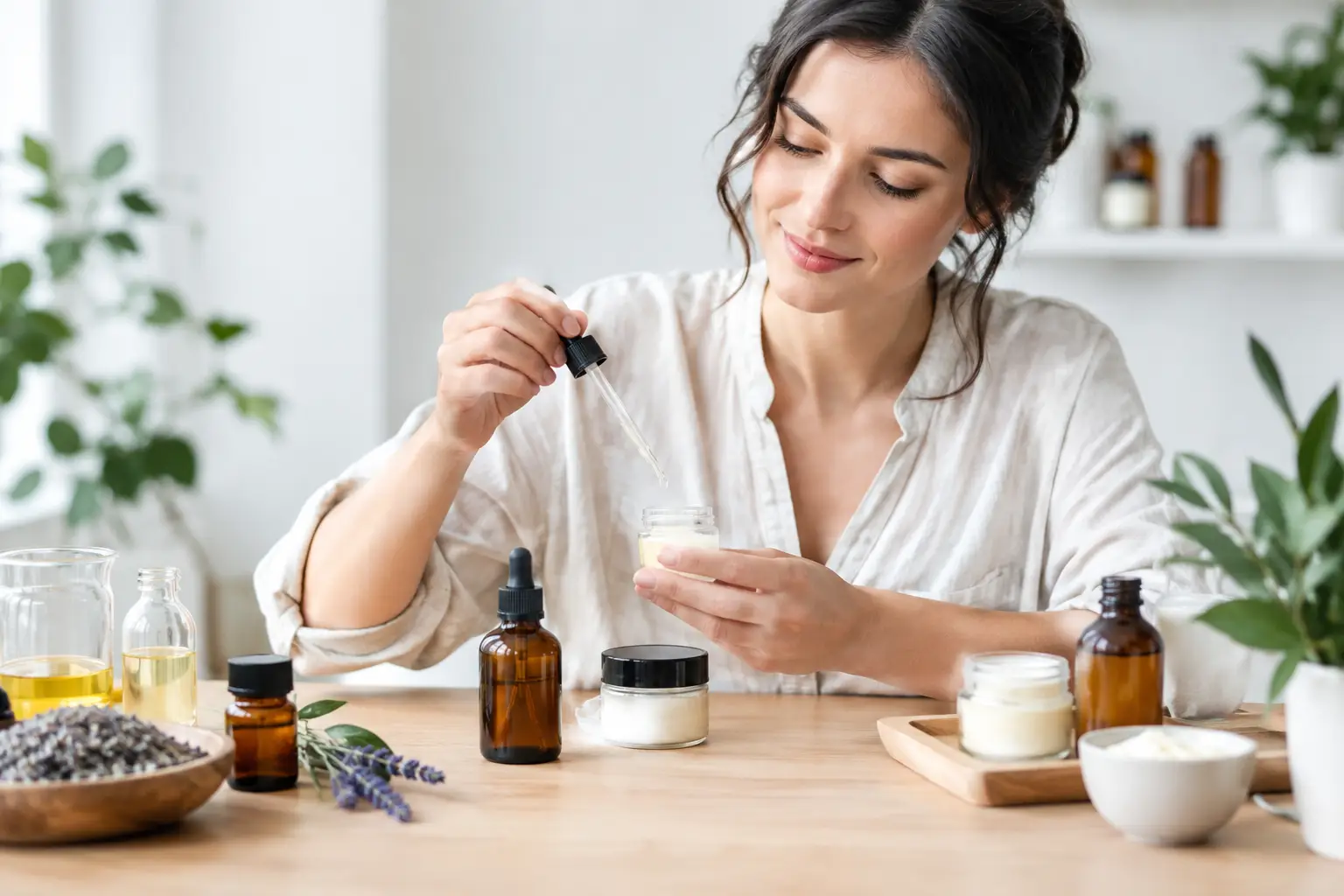
A great face cream can begin with a modest beaker, a digital scale, and a formula written on a kitchen notepad. But the difference between a lotion that feels polished and one that separates, spoils, or drags on the skin usually comes down to the small batch cosmetic supplies behind it. The goal is not to buy every ingredient on the shelf. It is to choose materials that have a purpose, measure them carefully, and give yourself a reliable process to follow.
Whether you are making a custom body butter for dry winter skin, hosting a supervised skincare activity, or testing a first product for a growing beauty business, professional-quality ingredients make experimentation more rewarding. You get more control over texture, skin feel, fragrance, and performance, without turning formulation into a guessing game.
Start With the Product You Want to Make
Before filling your cart, decide what you want your finished product to do. A balm, a scrub, a facial serum, and a preserved lotion may all use botanical oils, but they are built very differently. Starting with the end product keeps your supply collection useful rather than overwhelming.
An anhydrous product, meaning one without water, is often a friendly place for a new maker to begin. Lip balms, body butters, salves, and oil-based scrubs can be made with oils, butters, waxes, antioxidants, fragrance or essential oils, and a suitable container. You still need clean tools and good manufacturing habits, but the formulation is generally simpler because there is no water phase to emulsify.
Lotions, creams, and many serums require more planning. Water and oil do not stay mixed just because they are stirred together. They need an emulsifier selected for the formula, appropriate heating and mixing, and a broad-spectrum preservative when the product contains water. This is where a dependable emulsifier such as CEB-N can help makers create stable, elegant emulsions. CEB-N is an emulsifier, not a true wax, so think of it as a functional bridge between water and oil rather than a thickening wax that can be swapped in casually.
Build Your Small Batch Cosmetic Supplies Kit
A smart starter kit is built around versatility. You do not need ten oils that perform almost the same job. Choose a few materials that let you make several products while teaching you what each ingredient contributes.
For an oil-based collection, begin with a lightweight emollient oil, a richer oil or butter, an antioxidant, and a wax if you want firmness. A lightweight oil can reduce the heavy feel of a butter balm, while a butter provides cushion and body. An antioxidant can support oil freshness, but it is not a preservative and should never be relied on to protect a water-containing product from microbial growth.
For lotion making, add distilled water, an emulsifier, a humectant, a thickener if needed, and a preservative compatible with your formula and target pH. Humectants such as glycerin help attract water and can improve a product’s hydrated feel. Thickeners affect viscosity and suspension, but they do not automatically stabilize an emulsion. Each ingredient has a separate job, and that is exactly why formulas perform better when they are designed rather than improvised.
You will also need basic equipment: a scale that reads to 0.01 gram for small additions, heat-safe beakers, stirring tools, a thermometer, a stick blender or suitable mixer for emulsions, and clean packaging. Reusable tools are practical, but they must be washed, dried, and sanitized according to the needs of the product you are making. For a water-based cream, clean equipment is not optional.
Choose Ingredients by Function, Not Trend
Natural oils, botanical extracts, essential oils, active ingredients, and plant butters can make a formula feel personal. They are also not interchangeable. The most useful question is not, “Is this ingredient popular?” It is, “What job does it do in my formula?”
An emollient improves slip and softness. A botanical extract may support a particular product story or skin-feel goal. An active ingredient is usually chosen at a tested usage level and may have temperature, pH, or solubility requirements. A fragrance creates an experience, while an essential oil brings its own aroma profile and safety considerations. More is not automatically better, especially with aromatic materials.
If you are formulating for dry skin, you may lean toward richer oils, butters, humectants, and a creamy emulsion base. For oily skin, a lighter emollient profile and a fast-absorbing gel cream may be a better direction. Neither approach is universally superior. Climate, personal preference, packaging, and the rest of the formula all matter.
This function-first mindset also helps when working with pre-made emulsion bases. A ready-to-use base can save time and lower the learning curve, especially when you want to customize with carefully selected actives, oils, or fragrance. It is a practical option for parties, gifts, and early product testing. From there, you can move into fully scratch-made emulsions when you are ready to manage more variables.
The Three Details That Protect Your Batch
Measure by weight
Cosmetic formulas are percentages for a reason. A teaspoon of a powder or butter can vary dramatically depending on how it is packed, melted, or scooped. Weighing ingredients in grams gives you repeatable results and makes it possible to scale a successful 100-gram test batch to a larger run later.
Keep a batch record every time. Write down the formula percentage, actual gram weights, supplier details, lot numbers when available, process temperatures, mixing time, pH readings for water-based products, packaging, and observations. It may feel formal for a single jar of lotion, but those notes are how you learn what changed when version two feels better than version one.
Preserve water-containing formulas
If a product contains water, hydrosols, aloe juice, or other water-based ingredients, use a broad-spectrum preservative at its recommended rate and within its effective pH range. Do not depend on vitamin E, essential oils, refrigeration, or a clean-looking product as preservation. These are common misconceptions that can lead to an unsafe product.
Preservation is a system, not one ingredient added at the end. It includes clean production practices, compatible packaging, correct preservative use, pH control where required, and realistic shelf-life decisions. If you plan to sell a product, stability and microbial testing are prudent next steps. A formula that looks stable on day one has not yet proven its long-term performance.
Test stability before giving or selling
Make a small batch first, then watch it. Check the texture, color, scent, and separation over time. Store samples at room temperature and, when appropriate, in warmer and cooler conditions to see how the formula responds. A butter balm may become grainy after temperature cycling. An emulsion may thin, thicken, or separate. Those results are useful information, not a failure.
Test packaging too. A formula that works in a jar may be too thick for a pump, while a thin serum may leak from a poorly matched cap. Product performance includes the moment a customer opens the package and uses it.
Make Personalization Practical
The creative part of DIY skincare should happen inside a dependable framework. Start with a proven base formula or a clearly structured kit, then personalize one or two variables at a time. Try a different lightweight oil, adjust the fragrance within safe limits, or select an active suited to your product goal. Changing five ingredients at once makes it hard to know what improved the batch or what caused trouble.
For a group activity, keep the project simple and organized. Pre-weigh ingredients when possible, label every container, set out safety instructions, and reserve heating steps for adults. Oil-based rollers, body oils, sugar scrubs, and simple balm projects are usually more approachable than water-based creams for first-time makers. Creative is good. Controlled is better.
Suncoast Personal Care Products, Inc Personal Care Products helps turn that control into confidence by bringing ingredients, packaging, formulation tools, calculators, and practical education into one maker-friendly place. A clear formula and a few well-chosen supplies can take you much farther than a cabinet full of mystery ingredients.
Your first batch does not have to be perfect to be worthwhile. Start with a small, measured project, pay attention to how the materials behave, and keep notes you can use again. Soon, the cream, serum, balm, or scrub on your worktable will not just be homemade. It will be yours by design.