
Botanical Extracts in Skincare: How to Use Them

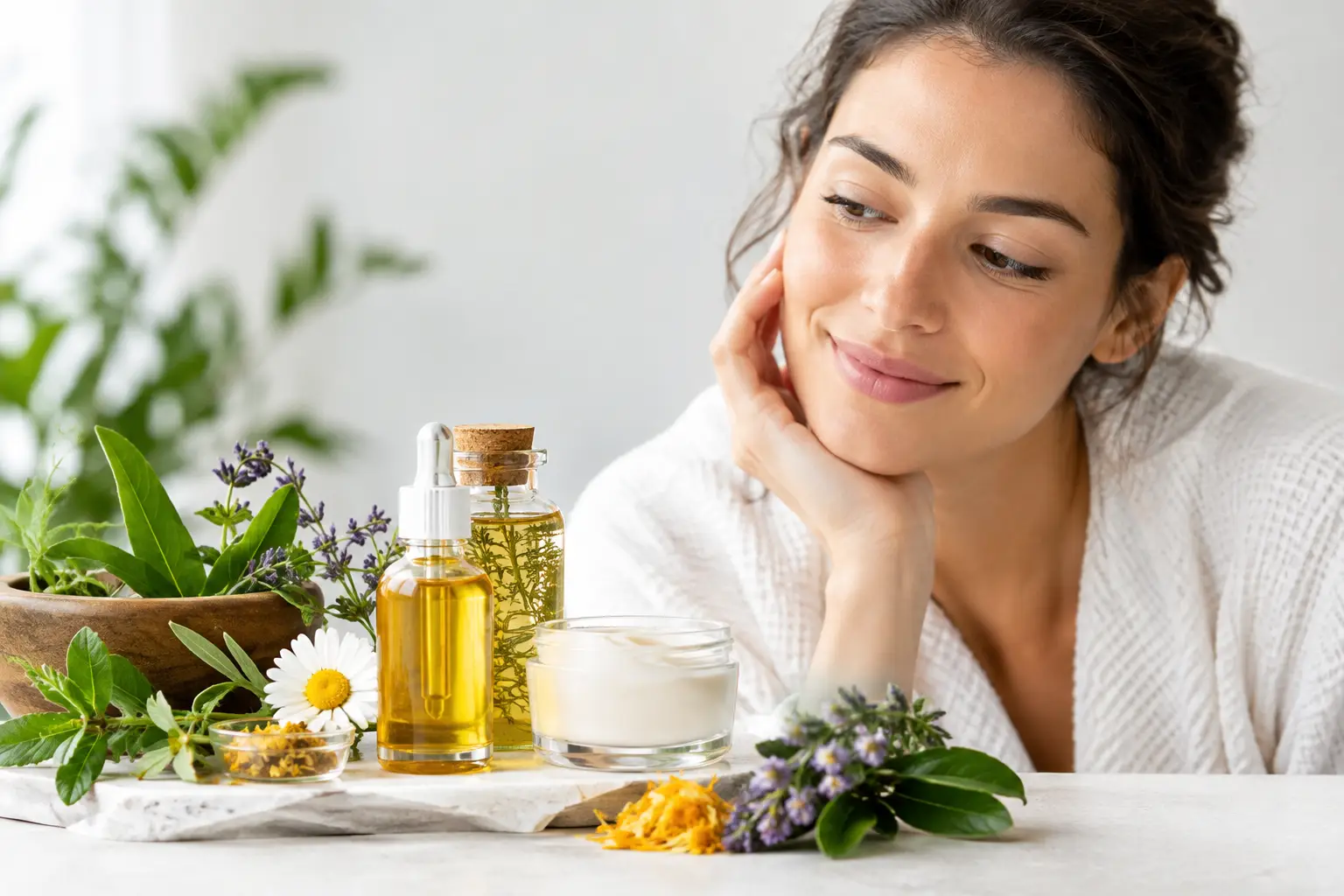
A plant name is only the starting point
Calendula, green tea, chamomile, aloe, and rosemary can make a formula feel personal and purposeful. But botanical extracts in skincare are not interchangeable decorations. The extraction method, carrier, recommended use level, formula pH, and product format all affect whether an extract performs well in your finished lotion, serum, balm, or cleanser.
For DIY makers, the goal is not to add every plant ingredient that sounds appealing. It is to select a botanical that fits the skin feel and purpose of the product, then build a stable formula around it. A thoughtfully made cream with one well-chosen extract is usually more useful than an overloaded formula with six extracts competing for space, budget, and preservation support.
What a botanical extract actually is
A botanical extract is a concentrated material made by pulling selected compounds from a plant into a carrier. The plant may be a flower, leaf, root, fruit, seed, algae, bark, or mushroom. The carrier matters because it determines where the extract can go in your formula.
A water-soluble extract may be supplied in water, glycerin, propanediol, or another water-compatible medium. These are natural fits for the water phase or cool-down phase of lotions, creams, toners, and water-based serums. Oil-soluble extracts and botanical-infused oils belong in the oil phase and work well in facial oils, balms, body butters, and emulsions.
Powdered extracts can be especially flexible, but they still need the right handling. Some disperse or dissolve in water, while others need a small amount of glycerin, propanediol, or another suitable solvent before they are added. Never assume a powder will disappear smoothly into a finished cream just because it is finely milled. Check the supplier guidance and test a small batch first.
An infused oil is related to, but not always the same as, a standardized extract. It is made by steeping plant material in oil. Infusions can bring beautiful story, color, and skin feel to an oil-based product, yet their strength may vary more from batch to batch than a professionally prepared extract. Both have a place in handmade skincare. The right choice depends on the result you want and how consistently you need to reproduce it.
Extracts are ingredients, not finished formulas
An extract does not replace an emulsifier, a thickener, a preservative, or a good manufacturing process. If you are making a cream, you still need an appropriately designed oil phase and water phase, a reliable emulsifier such as CEB-N, and a preservation system suitable for the complete formula.
This distinction matters because botanical ingredients can make a formula more complex. A glycerin-based extract can contribute to tackiness. A dark green or brown extract can shift color over time. An acidic or alkaline extract can affect pH. A water-containing extract added to an anhydrous balm can create pockets where microbial growth becomes possible. Good formulation is about giving every ingredient a job and making sure those jobs work together.
Choosing botanical extracts in skincare by product type
Start with the product format, then select the botanical. This is often easier than starting with a favorite plant and trying to force it into every formula.
For a lightweight facial serum, choose water-soluble extracts that blend into a clear or slightly translucent water-based system. Aloe, green tea, cucumber, and certain fruit extracts are common choices when you want a fresh, hydrated feel. Since these products contain water, preservation and pH testing are essential from the beginning, not an afterthought.
For a rich hand cream or body lotion, a water- or glycerin-based botanical extract can be added during cool-down, after the emulsion has formed and cooled to the temperature recommended for that ingredient. Calendula, oat, chamomile, and aloe are natural candidates for formulas designed around comfort and conditioning. Keep the total use level practical. More extract does not automatically mean more benefit, and too much can change viscosity, odor, color, or preservative performance.
For facial oils, body oils, balms, and butter-based salves, use oil-soluble extracts or botanical-infused oils. Oil-infused calendula, for example, can suit a simple balm beautifully. Water-based extracts are not appropriate in these systems unless you are creating an actual emulsion with water, an emulsifier, and a complete preservative strategy.
For rinse-off products such as cleansers and scrubs, botanical extracts can support a theme or a sensory experience, but they have limited contact time on skin. In a scrub with an emulsified base, consider how the extract affects color and how it holds up around surfactants, salt, sugar, or fragrance. In a water-free oil scrub, stay with oil-compatible botanical materials.
Build the formula around compatibility
The most dependable way to use an extract is to add it at its recommended percentage and in the phase specified by its technical information. Many extracts are used at low levels, often fractions of a percent to a few percent, but there is no universal rule. A concentrated powder and a gentle glycerin extract may have very different use rates.
For a first trial, make a small batch and keep clear notes. Record the extract name, supplier, lot number when available, use percentage, addition temperature, pH, appearance, odor, and viscosity. Recheck the sample after 24 hours, one week, and several weeks. If it separates, thins out, develops grit, changes odor, or shows unexpected color shifts, you have useful information for the next version.
Heat sensitivity is another reason cool-down additions are common. Some botanical compounds do not appreciate prolonged heat, while others are stable enough for the heated water phase. Follow the material-specific recommendation rather than using one process for every extract. Additions made during cool-down should also be mixed thoroughly, especially in thicker emulsions where pockets of ingredient can remain unevenly distributed.
Preservation is part of the botanical plan
Any product containing water needs an effective broad-spectrum preservative system, even if your extract is marketed as natural, plant-based, or antimicrobial. Botanical extracts, hydrosols, teas, fruit materials, and aloe can increase the challenge because they introduce additional organic matter into the formula.
Preservatives work within specific pH ranges and use levels. Your complete formula must be compatible with the preservative you choose, not just the extract. Measure pH with appropriate tools after the formula has settled, adjust carefully if needed, and use clean, sanitized equipment and packaging. For products intended for sale, stability testing and microbial testing are wise steps before offering them to customers.
Antioxidants and preservatives have different roles. Vitamin E and rosemary antioxidant extract can help slow oxidation in oils, helping reduce the chance of rancid odor over time. They do not preserve a water-based lotion against bacteria, yeast, and mold. A beautiful botanical oil blend may benefit from an antioxidant, while a cream requires both antioxidant thinking for oils and a suitable preservative system for the water-containing formula.
Keep the skin experience in view
Plants can contribute more than a label claim. They may bring natural color, a subtle aroma, slip, or a more cushiony after-feel. Those characteristics deserve testing because they can also be trade-offs. A dark botanical extract may turn a white face cream beige. A strongly scented extract may clash with your chosen fragrance or essential oil. A glycerin-heavy extract may make a serum feel sticky if the formula is already high in humectants.
Be careful with language around sensitive or compromised skin. Natural does not automatically mean non-irritating, and individual reactions vary. Essential oils, fragrant botanical materials, and highly active extracts deserve conservative use levels and thoughtful patch testing. Avoid making drug-style claims that a cosmetic product can treat, cure, or prevent a medical condition.
If you are formulating for children, keep the formula especially simple and use adult supervision around heated phases, preservatives, and equipment. A mild, well-preserved lotion with a modest amount of one compatible extract is a better project than a complicated formula filled with unfamiliar actives.
A simple path for your first botanical lotion
Choose one water-compatible extract and one product goal, such as a comforting everyday hand lotion. Create a balanced base formula with distilled water, humectant, oils or butters, CEB-N emulsifier, a preservative compatible with the formula pH, and your extract at the supplier’s recommended level. Make the emulsion, cool it with steady mixing, add the extract and preservative at the right temperature, then check and record pH.
Package the lotion in clean airless pumps or squeeze bottles when possible. These options reduce repeated finger contact compared with open jars and can make daily use more hygienic. Label the batch with the date and full formula, then observe it as it ages.
The real pleasure of botanical formulation is learning to make each ingredient earn its place. Start stirring with one well-matched extract, pay attention to what the formula tells you, and your next batch can become more personal, more polished, and truly your own.