
Build a Dry Skin Skincare Kit That Works

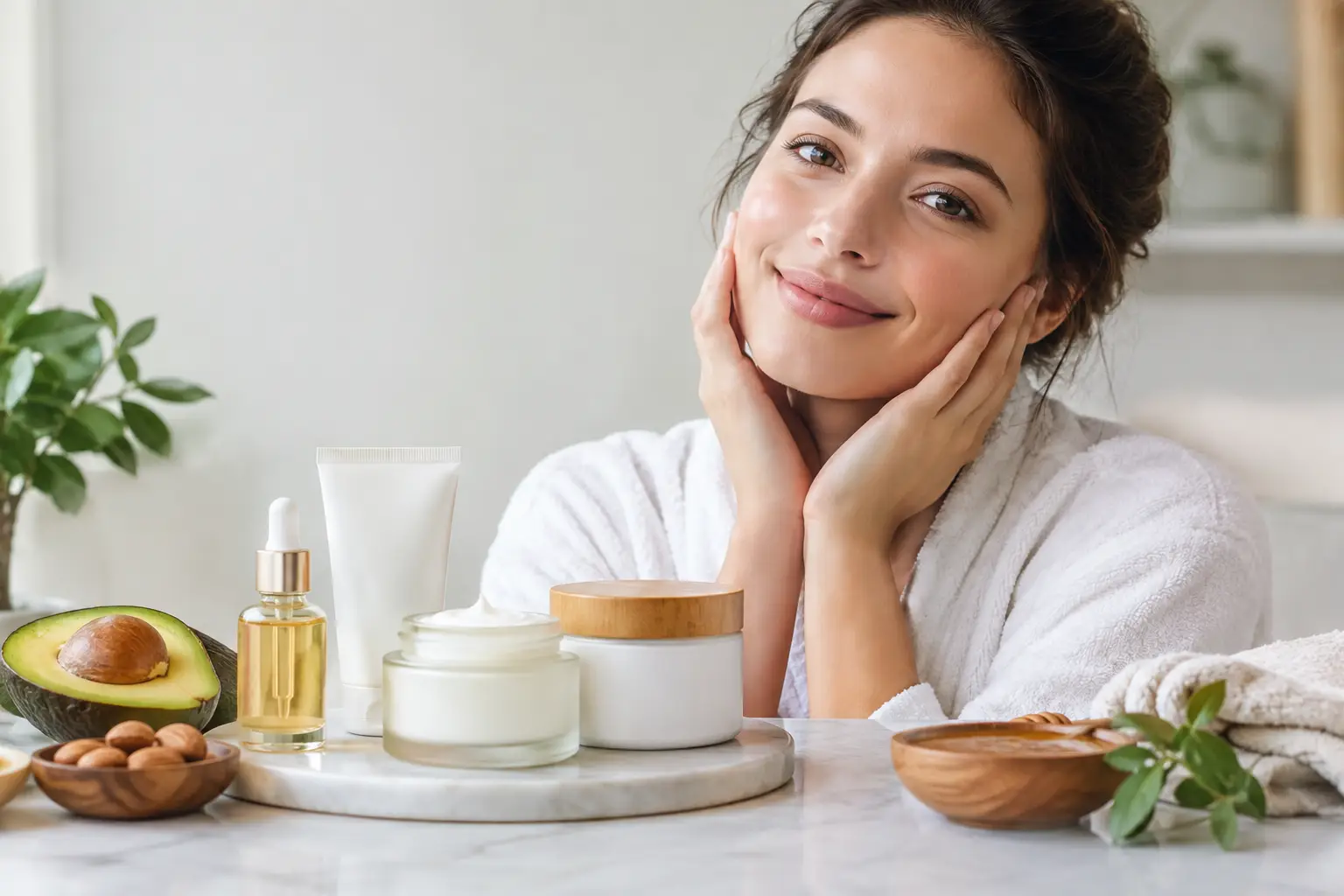
Dry, tight skin rarely needs a shelf full of random products. It needs a formula that brings water into the skin, slows moisture loss, and feels pleasant enough to use every day. A well-planned dry skin skincare kit lets you make those choices yourself, whether you are creating a simple family body cream, testing a facial serum, or developing a small-batch product line.
The real advantage of making skincare is not adding every trendy ingredient at once. It is learning what each material contributes, then building a stable formula with a purpose. Start with a few dependable ingredients, good sanitation, and a formula that respects the difference between an oil-only balm and a water-containing cream.
What Dry Skin Actually Needs
Dry skin is short on lipids and has difficulty holding onto water. That can show up as flaking, rough texture, tightness after cleansing, or a complexion that looks dull beneath makeup. Climate, hot showers, harsh surfactants, age, and certain skin conditions can all make the problem more noticeable.
A useful dry-skin formula usually works in three directions. Humectants attract and hold water. Emollients soften rough areas and support a smoother skin feel. Occlusives create a protective layer that reduces transepidermal water loss. The best balance depends on where the product will be used. A rich body butter can carry more heavy oils and butters than a daytime facial lotion, while a hand cream may need more cushion and staying power than either.
This is why copying an ingredient list without understanding the formula often disappoints. A beautiful butter blend may feel wonderful on elbows but leave a face shiny. A lightweight gel may provide a quick burst of hydration but not enough protection in dry winter air. Make for the skin, season, and application you have in mind.
The Building Blocks of a Dry Skin Skincare Kit
A practical kit should give you options without turning your worktable into a chemistry warehouse. Choose materials that can be used across several projects, then expand as your confidence grows.
Humectants for water-based formulas
Vegetable glycerin is a dependable starting point. It is affordable, easy to use, and helps lotions, creams, and hydrating gels feel more effective. Too much can make a formula tacky, so a modest level is often more comfortable. Sodium lactate, panthenol, and hyaluronic acid can also fit into a dry-skin project, but each brings its own preferred use level and handling considerations.
Humectants need water to work with. In a cream, that means distilled water or a suitable water-based ingredient. Do not rely on tap water for a leave-on formula. Mineral content and microorganisms vary, and neither belongs in a carefully made cosmetic.
Emollient oils and butters
Oils give dry skin slip, softness, and a less rough feel. Jojoba oil, sweet almond oil, sunflower oil, and rice bran oil are approachable choices for many body and face products. For a richer finish, cocoa butter, mango butter, or shea butter can add structure and lasting comfort.
There are trade-offs here. Butters can make a cream feel protective, but too much may create drag or a waxy finish. Lighter oils can improve spreadability, but they may not feel substantial enough for severely dry hands or legs. Use a blend rather than asking one oil to do every job.
Antioxidants such as vitamin E can help support oil freshness, especially when working with oils that are more prone to oxidation. Vitamin E is not a broad-spectrum preservative, however. It protects oils from rancidity, not water-containing products from microbial growth.
An emulsifier for real creams and lotions
If your formula contains both water and oil, it needs an emulsifier. This is the ingredient that helps the phases stay together instead of separating into an oily layer and a watery layer after a few days.
CEB-N emulsifier is a useful choice for makers who want to create stable, elegant emulsions. It is not a true wax, even though it may be supplied in a wax-like form and heated with the oil phase. Its job is emulsification and structure, not simply adding thickness. Pair it with the right oil load and, when needed, a thickener or fatty component for the texture you want.
Do not guess at emulsifier amounts. Follow a tested formula or calculate your system carefully. An emulsion can look perfect when warm and still fail after cooling, cycling through temperature changes, or sitting on a shelf for several weeks.
Preservation and pH tools
Any product containing water, hydrosols, aloe liquid, botanical tea, or similar water-based ingredients needs a broad-spectrum preservative. Refrigeration does not replace preservation. Neither do essential oils, vitamin E, or a clean-looking jar.
A basic dry skin skincare kit should include a preservative suitable for the formulas you plan to make, plus pH strips or a reliable pH meter. Many preservatives perform best within a specific pH range. Check the supplier guidance, test the finished product after it cools, and adjust only with properly diluted citric acid or another appropriate pH adjuster.
If you are new to preservation, begin with an anhydrous product such as a body balm while you gather the tools and knowledge for emulsions. Oil-only products still need clean handling and dry packaging, but they do not require the same broad-spectrum preservation system as a lotion.
A Starter Formula Plan That Makes Sense
Rather than making five unrelated products, build a small routine around two or three formulas. A rich balm, a daily cream, and a gentle cleansing product cover different dry-skin needs while teaching valuable formulation skills.
For a simple balm, combine a chosen butter, liquid oils, and a small amount of wax for firmness. Add vitamin E at its recommended use level, and include fragrance or essential oil only if it is skin-safe and used conservatively. This is a good first project because there is no water phase and no emulsification step. It is also easy to customize for feet, cuticles, hands, or dry patches.
For a cream, work from a tested formula with a heated water phase and heated oil phase. Your water phase may include distilled water and glycerin. Your oil phase may include a blend of oils, butter, CEB-N emulsifier, and a texture-building ingredient. Heat both phases according to the formula instructions, combine them, and begin stirring or mixing until the emulsion forms. Add cool-down ingredients, including preservative, at the appropriate temperature.
For a cleanser, keep the goal gentle. Dry skin often responds poorly to aggressive cleansing, even when the finished lotion is excellent. Use mild surfactants and avoid overloading the formula with oils, which can reduce foam or destabilize the system. A cleanser should rinse cleanly while leaving skin comfortable, not squeaky.
Equipment That Prevents Frustration
You do not need an industrial lab to begin, but a few tools make your results more repeatable. A digital scale that measures to 0.01 gram is far more useful than measuring spoons for small-batch work. You will also want heat-safe beakers or containers, a thermometer, mixing tools, pH testing supplies, and clean packaging.
Choose packaging to match the formula. Pumps and squeeze bottles limit repeated finger contact and work well for lotions. Jars are convenient for balms and body butters, especially when the product is too thick to pump. For water-based products in jars, use a clean spatula and remind users not to introduce water into the container.
Sanitize your workspace, tools, and packaging before beginning. Keep batch notes with ingredient names, percentages, dates, temperatures, pH, and observations. Those notes turn a lucky first batch into a formula you can reproduce, improve, or scale.
Customize Carefully, Not Randomly
Customization is where DIY skincare becomes personal, but every change affects performance. If you add more oil to a cream, you may need to revisit the emulsifier system and viscosity. If you add a botanical extract, check whether it is water-soluble or oil-soluble and confirm its recommended use level. If you add a fragrance, account for skin-safety guidance and the fact that fragrance can be irritating for some dry or sensitive skin types.
For a first batch, change one thing at a time. Perhaps make the same lotion with sunflower oil in one batch and jojoba oil in another. Compare the slip, absorption, and feel after 24 hours. This teaches you more than changing six ingredients at once and trying to guess what caused a problem.
Patch test finished products before broad use, especially when using essential oils, fragrance, or active ingredients. If skin is cracked, painful, persistently itchy, or showing signs of infection, cosmetic DIY is not the right fix. Seek guidance from a qualified healthcare professional.
Start Small, Then Make It Yours
A dry skin kit should make formulation feel achievable, not intimidating. Unpack your ingredients, choose one tested project, weigh carefully, and give the batch time to cool and settle. A thoughtful cream or balm made with reliable materials can become the product you reach for every day – and the foundation for the next formula that is truly your own.