
Polysorbate 20
Price range: $5.65 through $11.31
Polysorbate 20 — Summary
Polysorbate 20 is a nonionic surfactant and emulsifier derived from sorbitol and fatty acids, typically sourced from renewable vegetable oils such as coconut or palm. It is produced through controlled ethoxylation of sorbitan esters, resulting in a water-soluble, mild, and effective solubilizing agent.
In cosmetics and skincare, Polysorbate 20 is used primarily as a solubilizer and emulsifier. It helps disperse essential oils, fragrances, and other lipophilic actives in water-based formulations while stabilizing emulsions and enhancing clarity. It is commonly found in creams, lotions, serums, tonics, and rinse-off products, supporting smooth texture, uniform appearance, and product stability.
Polysorbate 20 — Technical & Clean Standards Overview
Polysorbate 20 is a nonionic surfactant and emulsifier derived from sorbitol and lauric acid, typically sourced from renewable vegetable oils such as coconut or palm. It belongs to the polysorbate family of ethoxylated surfactants and is produced through controlled ethoxylation of sorbitan esters, resulting in a hydrophilic-lipophilic balance (HLB) suitable for stabilizing oil-in-water emulsions. Polysorbate 20 is widely used in cosmetic, personal care, and pharmaceutical formulations due to its excellent solubilizing and emulsifying properties.
In formulations, Polysorbate 20 functions primarily as a solubilizer for essential oils, fragrances, and lipophilic actives in aqueous systems, as well as a mild emulsifier in creams, lotions, and serums. It enhances clarity, stabilizes dispersed oil phases, and helps maintain uniform texture. Its water-soluble nature and low viscosity contribute to easy handling and smooth incorporation in both rinse-off and leave-on products.
From a Clean Standards and safety profile perspective, Polysorbate 20 has a long history of safe cosmetic use and is generally considered non-irritating and non-sensitizing at typical usage levels. While it is an ethoxylated ingredient, it is biodegradable and widely accepted in formulations adhering to transparency-focused or “green” cosmetic principles when sourced responsibly and used appropriately.
Ingredient Identification
-
INCI Name: Polysorbate 20
-
CAS Number: 9005-64-5
Physical & Technical Properties
-
Appearance: Pale yellow to amber viscous liquid
-
HLB: Approximately 16.7 (highly hydrophilic)
-
Solubility: Completely soluble in water; dispersible in oils
-
Functional Role: Nonionic emulsifier, solubilizer, stabilizer
Typical Usage Levels (Skincare & Personal Care)
-
Lotions & Creams: 0.5–2% (for solubilizing fragrance or oils)
-
Serums & Tonics: 0.1–1% (for oil-in-water clarity)
-
Rinse-off Products: 0.5–3% (enhances dispersion and foam stability)
Actual usage depends on oil load, HLB of the system, and solubilization requirements.
Formulation Compatibility & Common Combinations
Polysorbate 20 is commonly formulated with:
-
Essential oils and fragrance oils for solubilization in water
-
Light oils or esters to stabilize emulsions
-
Glycerin, propylene glycol, or other humectants for combined clarity and texture
-
Mild co-emulsifiers (e.g., cetearyl alcohol, glyceryl stearate) to improve emulsion stability
Polysorbate 20 is generally added to the aqueous phase, with gentle heating if needed to fully incorporate oils and actives. Proper HLB matching is recommended to ensure stable and clear formulations.
Regulatory & Safety Notes
-
Regulatory Status: Globally accepted in cosmetic applications
-
California Proposition 65: Not listed
-
EWG Context: Typically rated low hazard (1–2) for cosmetic use
-
Irritation & Sensitization: Low; generally non-irritating at normal use levels
-
Clean Beauty Compatibility: Acceptable in formulations mindful of ethoxylation, biodegradable, and responsibly sourced
| Weight | N/A |
|---|---|
| Dimensions | N/A |
| Size |
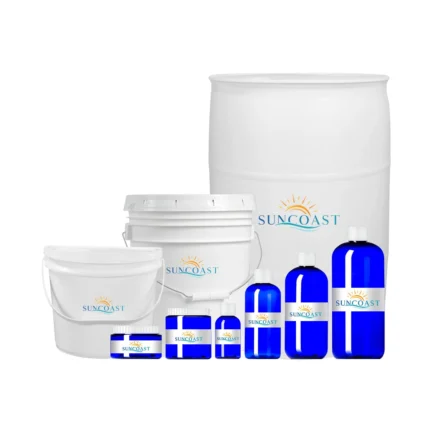
16oz ,2oz ,4oz ,8oz |
You must be logged in to post a review.
Related products
Beeswax Yellow
Beeswax Yellow — Summary
Beeswax Yellow is a naturally derived wax produced by honeybees (Apis mellifera) from plant nectars. It is obtained through physical separation and filtration of honeycomb wax without chemical modification, preserving its natural composition and characteristic yellow color.
In cosmetics and skincare, Beeswax Yellow is valued as a structuring agent, thickener, film former, and occlusive emollient. It helps give shape and stability to balms, salves, sticks, creams, and lip products while forming a breathable protective barrier on the skin that helps reduce moisture loss. Beeswax Yellow also improves product adhesion, texture, and payoff, making it a staple ingredient in natural, clean, and traditional formulations.
Cetyl Alcohol

Decyl Glucoside 30%
Decyl Glucoside 30%
Decyl Glucoside 30% is a mild, nonionic surfactant derived from renewable plant-based raw materials. It is produced through the condensation of decyl alcohol, typically sourced from coconut or palm kernel oil, with glucose derived from corn or other plant sugars. The result is an alkyl polyglucoside surfactant supplied as an approximately 30% active aqueous solution, offering excellent cleansing performance with high skin and eye tolerance. The manufacturing process does not involve ethoxylation, sulfation, or petrochemical modification, supporting its use in clean and natural-leaning cosmetic formulations.
DIY Cosmetics Kit for Making Lotions and Cremes
DIY-Cosmetic Kit
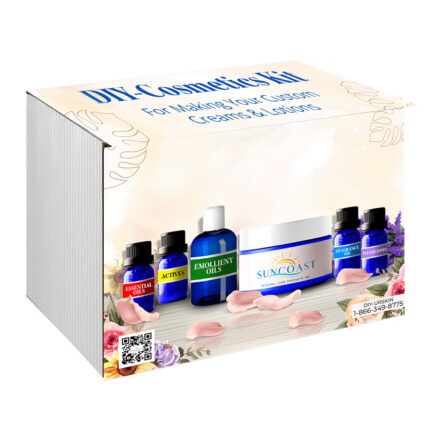
The Suncoast Personal Care Products, Inc DIY-Cosmetic Kit is a hands-on formulation set designed to help users create and customize skincare and haircare products with confidence. It includes carefully selected, cosmetic-grade ingredients and the CEB®-N emulsifier system to support the creation of creams, lotions, cleansers, and serums. The DIY-Cosmetic Kit is carefully curated by Suncoast Personal Care Products, Inc to support clean, modern formulation education, performance, and ingredient transparency.

Glyceryl monostearate (GMS)

Golden Soy Wax
Golden Soy Wax
Golden Soy Wax is a plant-derived wax made from hydrogenated soybean oil. It is used in cosmetics and skincare as a structuring and consistency agent to add body, firmness, and a smooth texture to balms, salves, sticks, and solid lotion products. Its softer melt profile and creamy feel make it a popular choice for natural-leaning and clean beauty formulations.
Reviews
There are no reviews yet.